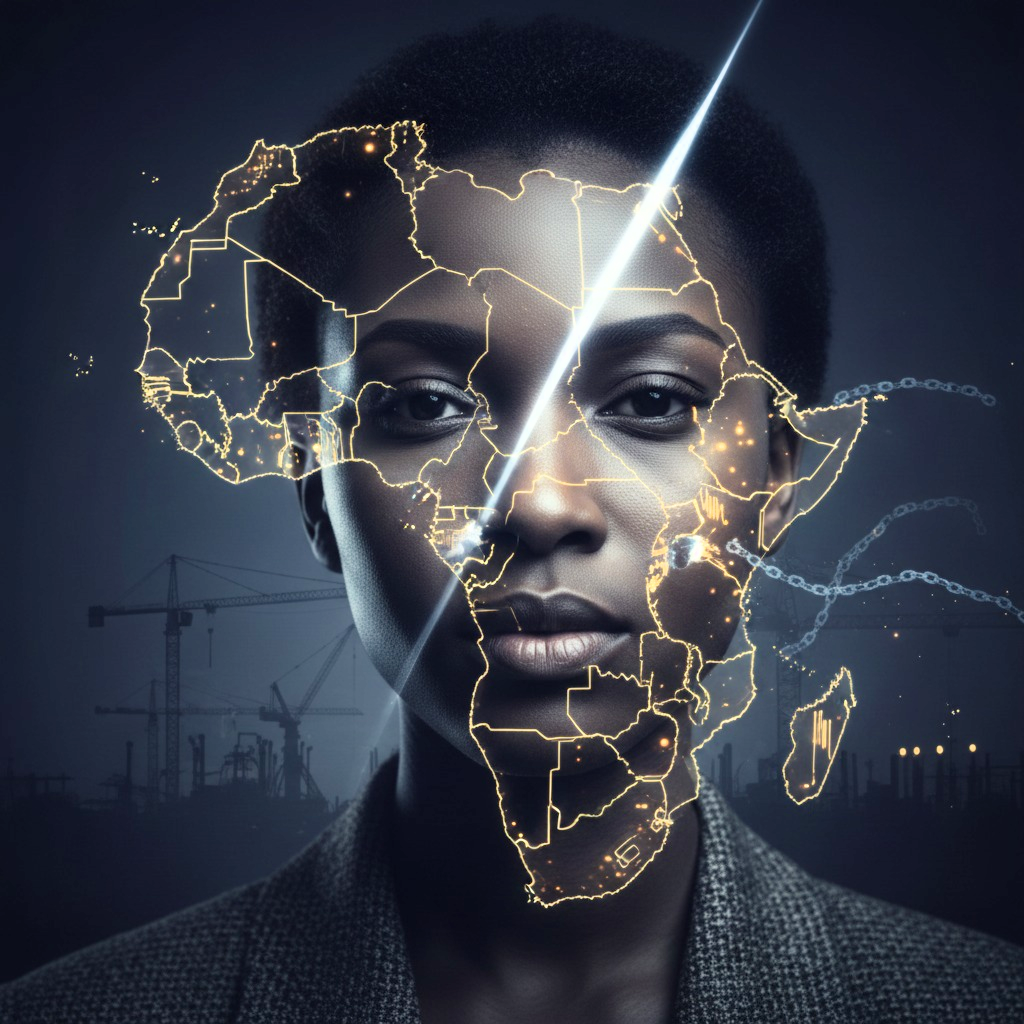
We stand at the end of an era. For decades, the world was a theater with a single, overwhelming spotlight. Now, that light is fracturing. New stages are illuminated, and a chorus of voices, once relegated to the wings, is demanding a part in the script. This is the dawn of the multipolar age, not because we wish it, but because the unassailable dominance of the West is receding like a tide.
The evidence is everywhere. The war in Ukraine is not a regional conflict; it is a brutal proclamation that a single power will no longer set the global rules. China’s Belt and Road Initiative is weaving a new web of trade and dependency across continents, an empire of infrastructure rather than occupation. The BRICS coalition expands, a messy but potent symbol that the “Global South” is no longer content to be a passive object of history. The old order, built in the conference rooms of Bretton Woods and Yalta, is cracking.
For Africa, this moment is both exhilarating and perilous. It feels like finally being offered a seat at a table that was built with your timber, but you can’t ignore the old chains still clinging to the legs. We have been here before, at the cusp of change, only to see promise curdle into a new form of subjugation. Neocolonialism didn’t die with independence; it simply learned to wear a suit. It arrives not with soldiers, but with term sheets. Its weapons are debt, data extraction, and the subtle coercion of strategic dependency.
The traps are insidious. Imagine a dam, built by a “partner” to bring power to your people. The immediate benefit is real—light in homes, energy for industry. But the blueprint is proprietary. The maintenance is controlled from afar. The debt is structured in a way that ensures you will never fully own it. You are left with a gleaming monument to your own dependency. This is the modern trap: it doesn’t say “no,” it says “yes” with conditions that slowly strangle your sovereignty.
We see it in the “resource curse” 2.0, where foreign powers secure critical minerals for their green transitions, locking Africa into the old role of raw material exporter while they capture all the value-added prosperity. We see it in the digital colonialism of tech giants, who harvest our data—the oil of the 21st century—to build empires that pay no taxes and owe no allegiance to our soil. And perhaps most dangerously, we see it in the geopolitical play, where Africa becomes a chessboard for a new “Great Game,” its nations pressured to choose sides in a cold war between distant powers, a dynamic that fractures our own continental unity.
But what if we refused to be a pawn?
Navigating this requires a cold-eyed realism and a profound faith in our own agency. The path to liberation is not through nostalgic isolation, but through a ruthless and strategic pragmatism. Our greatest weapon is our unity. The African Continental Free Trade Area (AfCFTA) is not just a trade agreement; it is our most potent shield. By finally trading with each other, by building continental value chains and nurturing our own markets, we transform from 54 small, vulnerable economies into a single, formidable negotiating bloc. No longer can a power play one of us against the other for scraps.
We must also become masters of the deal. This means moving beyond the raw material invoice. Every mineral pulled from our earth, every acre of land leased, must be part of a broader bargain: technology transfer, local skills development, and a guaranteed stake in the final product. We must leverage our growing market, our youthful population, and our critical resources not as pleas, but as capital. Let them compete for us.
This is not just economics; it is a moral imperative rooted in our own philosophies. The Ubuntu principle—”I am because we are”—stands in stark opposition to the extractive individualism of colonialism. Our strategy must be guided by this communal wisdom. It calls for pan-African solidarity, for leaders who see their legacy not in palaces built with foreign loans, but in institutions that serve their people.
History offers cautionary tales and glimpses of hope. The post-independence era saw visionary leaders like Nkrumah and Nyerere attempt to chart a third way, with mixed results. Today, Rwanda demonstrates the power of asserting digital sovereignty, while Botswana’s careful management of diamond revenues shows the benefit of negotiating from a position of strength and long-term vision.
The multipolar world is a storm. It can sink the ship that is unprepared, but it can also fill the sails of the one with a skilled captain and a clear destination. Africa does not need to find a new master in the East to escape the old one from the West. Our task is to be our own master.
The world is rearranging itself. This is our moment to ensure we are not merely the terrain over which new giants battle, but architects of our own destiny. We have the numbers, the resources, the need, and the historical right. What we need now is the unbreakable will to speak with one voice and the cunning to play this new, complex game on our own terms. The spotlight has fractured. It is time for Africa to step into its own light.